EPOS has launched the IMPACT 1000, a redesigned enterprise headset with updated noise cancellation, AI audio enhancements, and improved ergonomics. But the more significant story isn't the hardware itself — it's what the launch reveals about how enterprises actually manage devices at scale.
The Details
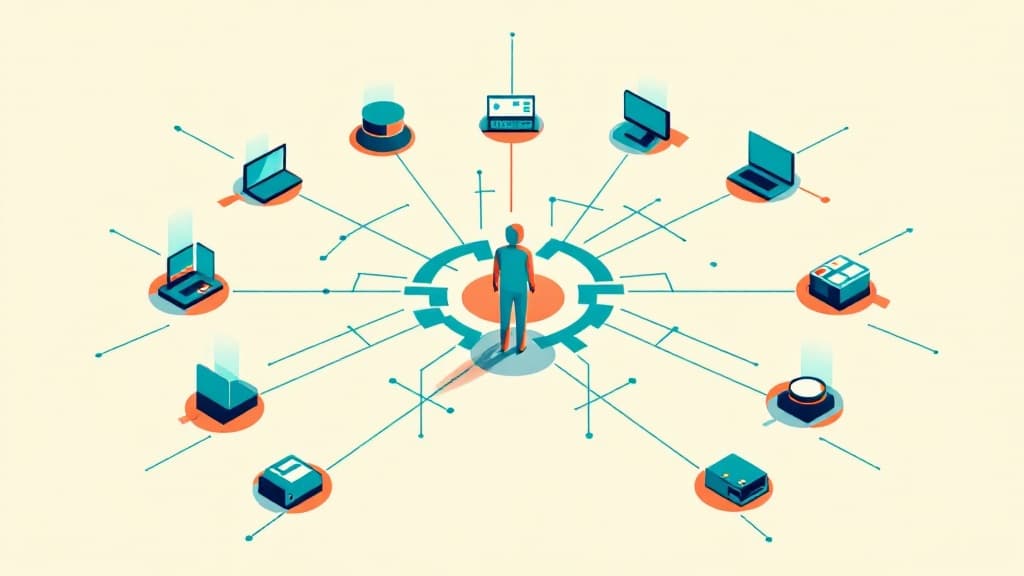
The IMPACT 1000 ships with EPOS Manager, a centralized device management platform that allows IT teams to deploy firmware updates, configure settings, and monitor device health across large fleets from a single dashboard.
Key capabilities highlighted in the launch:
- Remote firmware and configuration management across all enrolled devices
- Usage analytics to identify underperforming or misconfigured endpoints
- Policy enforcement to standardize audio settings across departments or locations
- Compatibility with major UCaaS platforms including Microsoft Teams and Zoom
The underlying point EPOS is making: buying headsets is easy. Managing hundreds or thousands of them consistently, without manual IT intervention at each desk, is the actual operational challenge.
For enterprises, unmanaged endpoints create support burdens. A headset with outdated firmware or incorrect audio settings quietly degrades call quality, and without visibility into the fleet, IT teams often don't know until users complain.
Why This Matters for Service Providers
MSPs and telecom resellers who bundle hardware with communication services are increasingly expected to own the full endpoint experience, not just the connectivity layer. Clients don't separate "the headset isn't working" from "the phone system isn't working" — they call their service provider either way.
Device management platforms like EPOS Manager create both an opportunity and a responsibility. MSPs who proactively manage endpoint health can reduce support tickets, demonstrate visible value, and build stickier client relationships. Those who don't are accepting reactive support risk without the tools to address it efficiently.
This dynamic also connects to a broader shift in how MSPs can stack revenue across voice, hardware, and AI services. Managed endpoint services, when priced correctly, add recurring margin without proportional headcount increases.
For resellers already operating in UCaaS, the lesson is clear: the margin and retention advantage goes to whoever controls the management layer, not just whoever sold the device.
Looking Ahead
As AI-enhanced audio hardware becomes standard in enterprise environments, the fleet management question will only intensify. Service providers who build device management into their service stack now will be better positioned to handle the complexity, and better protected against churn when hardware issues arise.
For the full story, read the original article on UC Today.