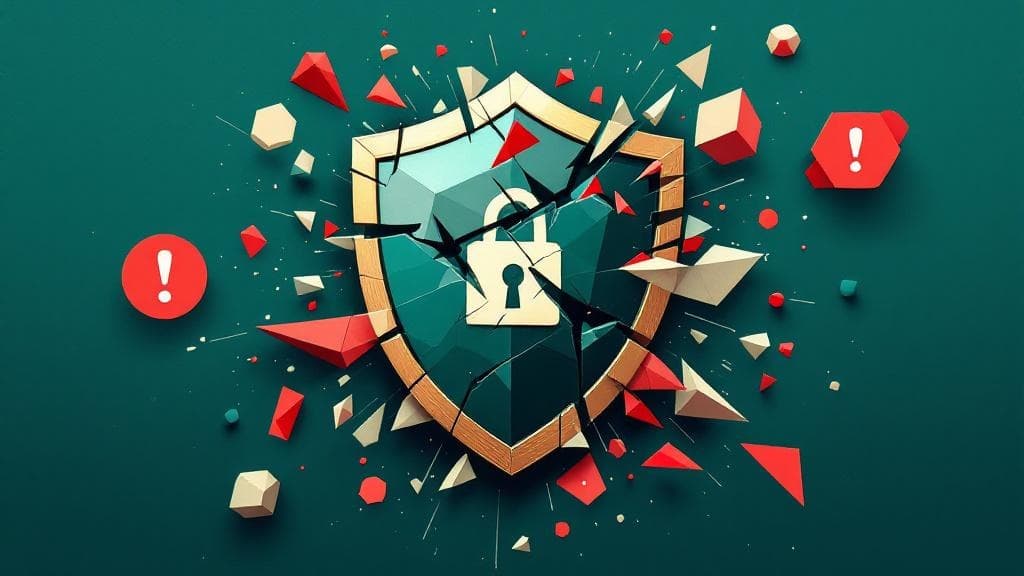
Enterprise security teams are learning a hard lesson: a well-documented, well-funded security stack does not guarantee effective protection when an actual incident unfolds. According to analysis published by UC Today, the real failure point in most organizations is not the tools themselves but how those tools perform under real-world pressure.
The Details
Security execution tends to break down at the worst possible moment, specifically when alert volumes spike, teams are stretched thin, and systems interact in unexpected ways.
Key failure patterns identified include:
- Alert fatigue causing teams to miss or deprioritize genuine threats buried in noise
- Tool fragmentation where individual products work in isolation rather than as a coordinated defense
- Playbook gaps that assume orderly, single-vector incidents rather than simultaneous, compounding events
- Delayed escalation when communication workflows are unclear under pressure
The core argument is straightforward: security stacks are typically evaluated in calm conditions, not stress-tested against the chaotic circumstances where failures actually happen. A tool that performs well in a quarterly review may become a bottleneck during an active breach.
Why This Matters for Service Providers
For MSPs and telecom resellers managing security on behalf of clients, this analysis carries direct operational weight. Your liability exposure is not tied to what your stack looks like on paper; it is tied to how it performs when things go sideways. Clients rarely distinguish between a vendor failure and a service provider failure when an incident occurs.
Service providers should be asking whether their incident response workflows hold up under load, not just whether individual tools carry the right certifications. This is especially relevant as AI-driven tools get layered into client environments, since automated systems can amplify both detection speed and false positive volume simultaneously. It is also worth noting that communication infrastructure plays a direct role in incident response effectiveness; if escalation paths depend on systems that are themselves affected during an outage, the entire response chain can stall.
For teams managing compliance obligations, the gap between documented security posture and actual execution is increasingly a regulatory concern, not just an operational one. You can reference the STIR/SHAKEN, TCPA, and AI Calls compliance guide for a related look at where documentation gaps are creating real risk in telecom specifically.
Looking Ahead
Expect more scrutiny from enterprise clients around incident response testing, including live simulation exercises and third-party audits of execution workflows, not just tool inventories. Service providers who can demonstrate resilience under stress conditions will have a measurable competitive advantage.
For the full story, read the original article on UC Today.