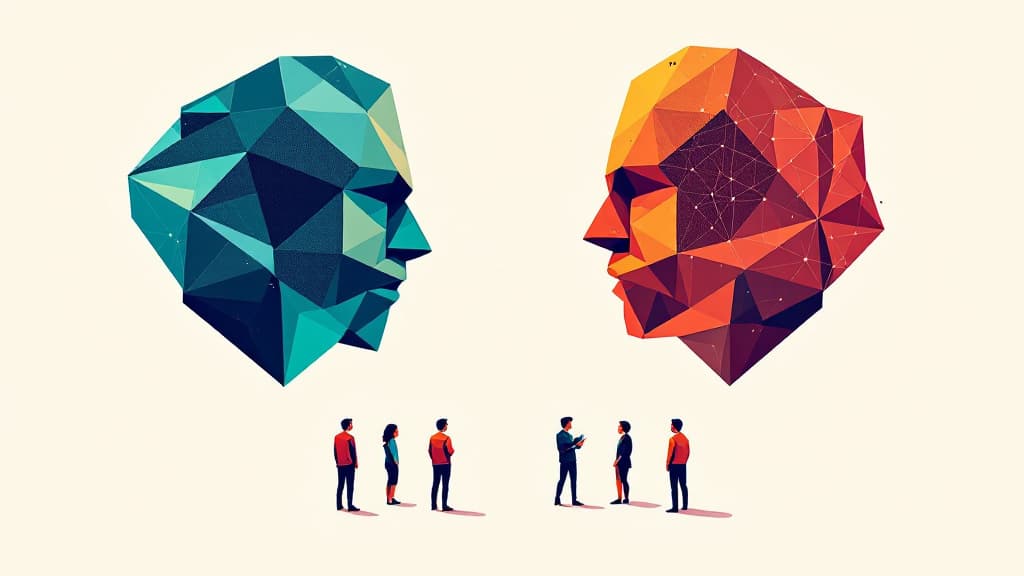
**Sam Altman's biometric identity project World is aggressively expanding its verification network, announcing a wave of new partnerships with major consumer platforms. Its first high-profile deal lands it inside Tinder, one of the world's most widely used dating apps.
The Details
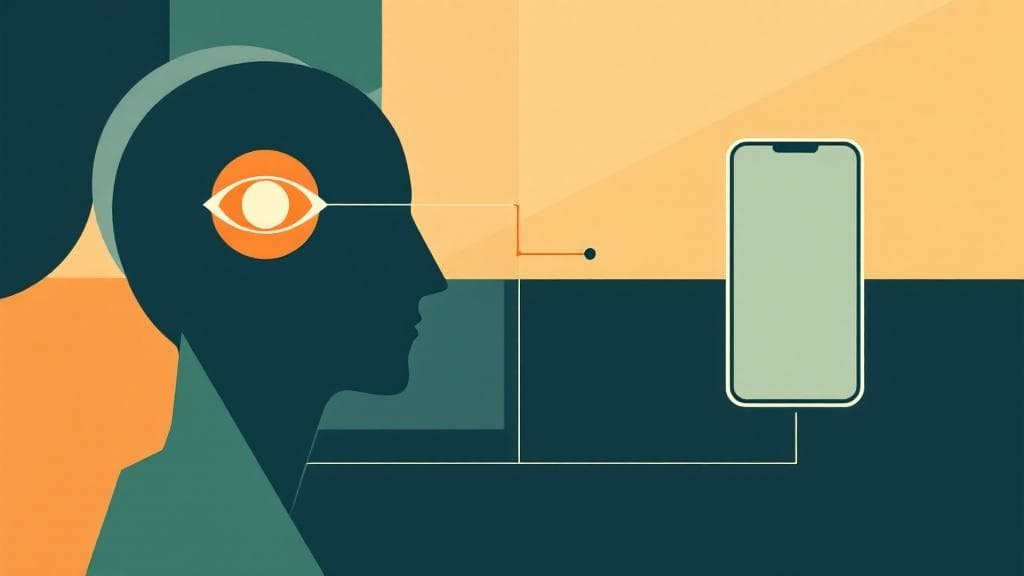
World, formerly known as Worldcoin, uses a hardware device called the Orb to scan users' irises and generate a cryptographic proof of unique human identity, without storing personal data. The goal is to create a scalable solution for distinguishing real people from bots and AI-generated accounts.
The Tinder partnership represents a significant step in World's strategy to embed its verification layer into everyday consumer apps. Key points to understand:
- Users on Tinder will be able to verify their humanity through World's system, signaling to potential matches that they are a real person
- The partnership is part of a broader push to sign deals across multiple industries and platforms
- World has already attracted substantial investment and interest despite ongoing debates about the ethics and privacy implications of mass biometric data collection
The expansion signals that World is moving from a novelty project into a serious identity infrastructure play, targeting platforms where fake profiles and bot activity create real user trust problems.
Why This Matters for Service Providers
For MSPs and telecom resellers, this is a signal worth tracking. AI-driven impersonation and bot activity are no longer just social media problems. They are increasingly showing up in business communications, customer portals, and voice interactions, which puts service providers in the middle of a growing trust crisis.
If biometric identity verification becomes a standard layer in consumer apps, enterprise and SMB clients will start asking similar questions about the tools their MSPs deploy. Providers who can offer or integrate verified human identity solutions into their communication stacks, including AI voice agents, will have a meaningful differentiator.
The regulatory environment is also shifting. As governments push for clearer accountability around AI-generated interactions, having a credible answer to "how do you verify who you're talking to?" will matter in sales conversations and compliance reviews.
Looking Ahead
Watch for World to announce additional enterprise-facing partnerships, which would bring this conversation much closer to the B2B and telecom space. If you manage client communications infrastructure, now is a good time to evaluate how identity verification fits into your service stack.
For the full story, read the original article on TechCrunch AI.