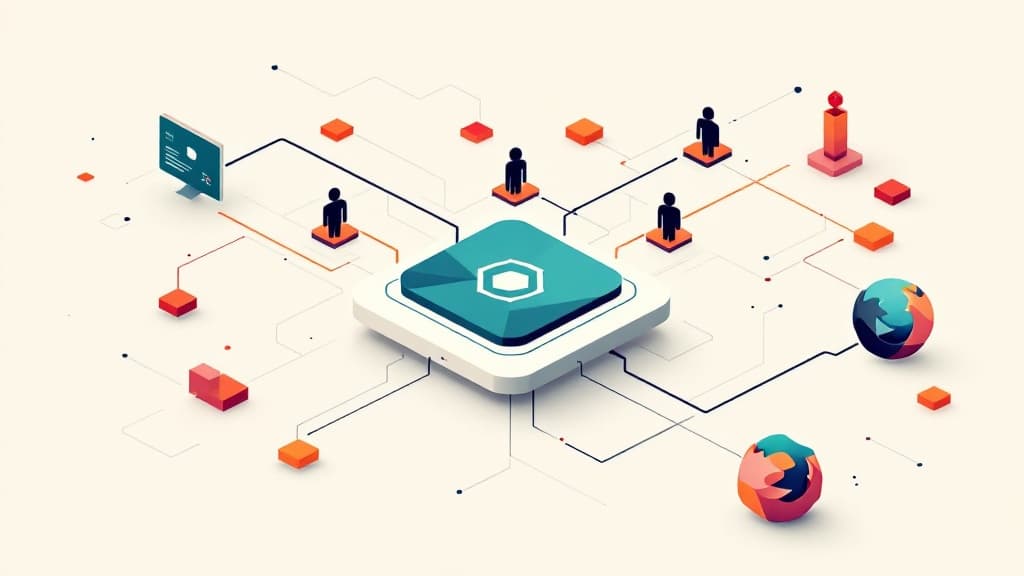
OpenAI is pulling the plug on Atlas, its standalone AI-powered browser, less than a year after launch. Rather than abandoning browser-based AI ambitions entirely, the company is folding key agentic features into its desktop application and a new Chrome extension.
The Details
Atlas never reached a wide audience. It was available only to a limited group of testers, and OpenAI has decided the standalone browser approach isn't the right vehicle for its agent capabilities going forward.
Instead, the company is redirecting that functionality into two places:
- ChatGPT's desktop app, which will absorb the core agentic browsing features Atlas was built around
- A Chrome extension that brings similar capabilities to users already inside the world's dominant browser
The move signals that OpenAI sees browser control as a feature layer, not a standalone product. The underlying goal, letting AI agents navigate the web and complete tasks on a user's behalf, remains firmly on the roadmap.
OpenAI is also still developing a broader "super app" strategy, meaning browser-based agents are likely just one piece of a larger platform play the company is building toward.
Why This Matters for Service Providers
The Atlas shutdown looks like a retreat but it isn't one. OpenAI is consolidating AI agent capabilities into surfaces users already live in, which actually accelerates adoption. A Chrome extension has a vastly lower barrier to entry than asking users to switch browsers entirely.
For MSPs and telecom resellers, this trajectory matters for a few reasons:
- Your clients are increasingly going to interact with AI agents through everyday tools, not separate applications. That changes how you need to think about onboarding and support.
- The shift toward agentic AI across desktop and browser environments will intersect with your clients' existing stacks, raising questions about security, data handling, and policy governance that your team will need to answer.
- Companies like OpenAI are clearly moving toward owning more of the end-user experience. Service providers who aren't building their own AI-powered touchpoints risk being displaced in the client relationship.
This is exactly why forward-thinking MSPs are already adding differentiated AI services, like white-label AI voice agents, to their stack before the hyperscalers make those conversations irrelevant.
Looking Ahead
Watch for OpenAI's Chrome extension rollout and how aggressively it pushes agentic browsing features into the mainstream ChatGPT experience. If adoption climbs quickly, client questions about AI agent permissions and enterprise controls will land on your desk sooner than you expect.
For the full story, read the original article on TechCrunch AI.