Anthropic is pushing back after a U.S. government decision to pull access to its most capable AI model, citing a discovered jailbreak vulnerability as the justification. The move marks a significant moment in the ongoing tension between AI safety advocacy and the practical consequences of flagging potential risks.
The Details
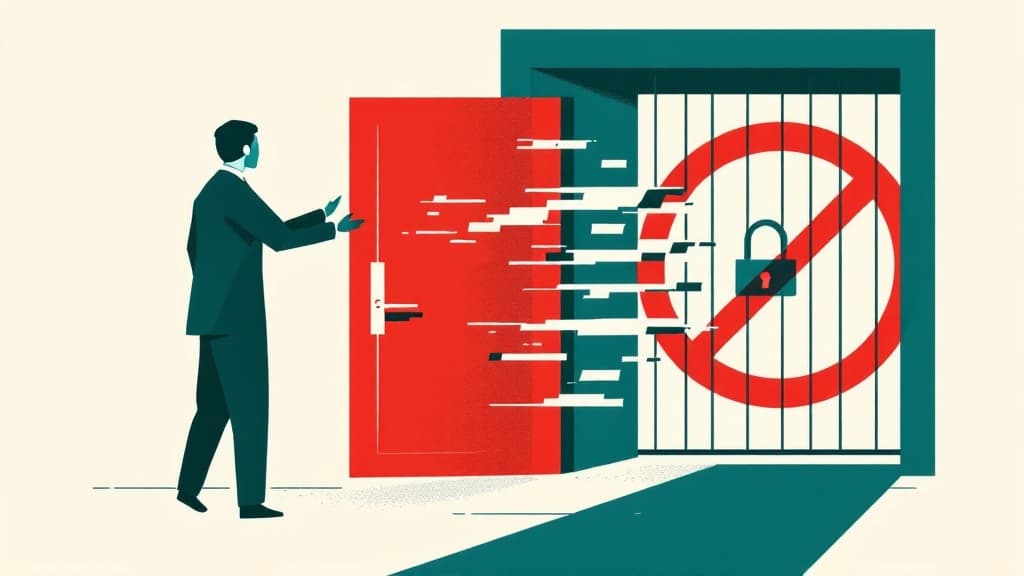
The government's decision appears to have been triggered by the identification of a narrow jailbreak vector in Anthropic's most powerful model. Anthropic argues the response is disproportionate, given the model's broad commercial deployment.
"We disagree that the finding of a narrow potential jailbreak should be cause for recalling a commercial model deployed to hundreds of millions of people."
That quote captures Anthropic's core frustration: that safety transparency, something the company has built its brand around, may have directly contributed to regulatory action against its own product.
The irony here is hard to miss. Anthropic has positioned itself as the safety-first AI lab, proactively publishing research on model risks and advocating for stronger oversight frameworks. That same posture now appears to have given regulators both the vocabulary and the precedent to act against them.
Key points to understand:
- The jailbreak in question is described as narrow in scope, not a fundamental model failure
- The affected model had been deployed to hundreds of millions of users before the action was taken
- Anthropic's public safety communications may have informed the government's decision-making criteria
Why This Matters for Service Providers
If you are building AI-powered services on top of foundation models from major labs, this situation is a direct reminder that regulatory risk is now a real operational variable, not a theoretical one. A government decision to restrict or recall a model can disrupt your service stack overnight, regardless of your own compliance posture.
MSPs and telecom resellers integrating AI voice or workflow tools should be asking their vendors hard questions about model dependencies, fallback options, and how quickly they can pivot if a core model becomes unavailable. Vendor concentration risk in AI is no longer hypothetical.
This also raises a longer-term question about how safety disclosures affect product availability. If labs that are more transparent about vulnerabilities face faster regulatory intervention than those that are not, the incentive structure around responsible disclosure gets complicated fast.
Looking Ahead
Watch for how Anthropic responds formally, and whether this case sets a precedent for how other agencies evaluate AI model vulnerabilities. If you are evaluating AI vendors for your service stack, factor regulatory exposure and model continuity into your due diligence alongside performance and pricing.
For the full story, read the original article on TechCrunch AI.